




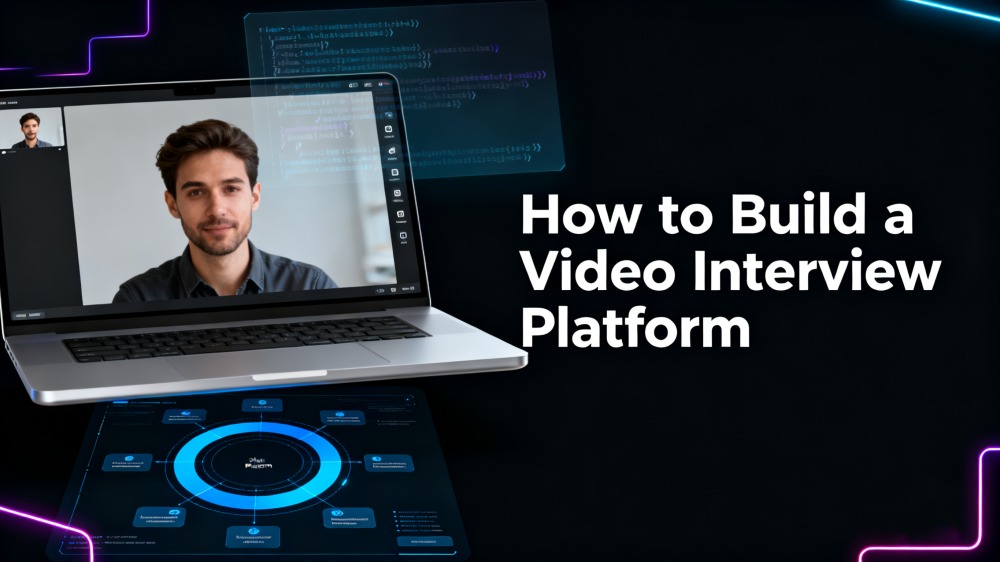
Do you know a video interview platform that makes hiring a smart experience, without distance limitations? This system makes it easier and quicker to conduct regular interviews to find the best candidates. So, if you want to know how to use video interview software, this guide is here to help. You will get to know its core features, usage, and building process.
What is a Video Interview Software Platform?
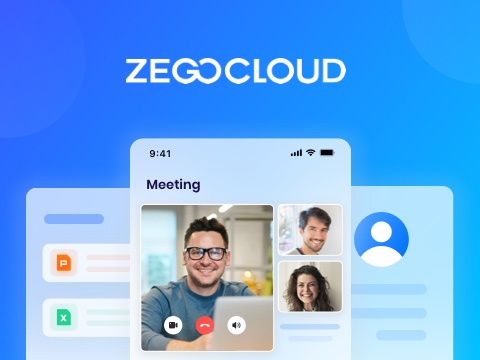
A video interview platform is an online tool that allows employers and recruiters to interview candidates from anywhere using video. It gives the interview the feel of a real-life meeting, even over the internet. This platform also incorporates tools that reduce hiring time, promote accuracy, and streamline the process.
Overall, it lets companies meet candidates live or through recorded video answers. Unlike regular video call apps, it includes HR-focused tools such as rating systems, structured question formats, and links. So, a firm can use these tools for an applicant tracking system that supports smooth and fair hiring decisions.
Benefits of Building a Custom Video Interview Platform
If organizations build an ideal video interviewing software, they will be able to design a tailored and saleable hiring experience. Besides, this solution comes with unlimited perks, and a few of them are given below:
- Complete Control and Company Branding: A custom platform gives employers control over design, layout, and questions. Additionally, the interface, logo, and colors show a clear brand image and help candidates feel part of a professional space.
- Smart Automation and Easy Data Sync: A dedicated system connects directly with HR tools like HRMS, ATS, or CRM, and applicants can move data between systems. Hence, automatic alerts, reports, and schedules save effort and keep records without using outside apps.
- Strong Security and Privacy Rules: With a custom system, the software protects all data under strict rules such as GDPR and SOC 2. Furthermore, the firm decides where the data stays, who will see it, and when to remove it.
- Real-Time and Scalable Performance: With APIs such as ZEGOCLOUD’s video SDK, the system gives clear video, fast response, and global access. Additionally, it supports live, recorded, or group interviews with steady quality and low delay.
- Lower Cost and Long-Term Freedom: If you own the platform, you will save on the need to use outside tools and pay monthly fees. Besides, the company will only add the features it needs and support future growth with better control.
Key Features of Video Interview Software
To know what makes the best video interview software, it’s the key features that it offers. So, if you want to learn about them, here are some details that you need to know:
| Feature Category | Description |
|---|---|
| Video Quality & Stability | Enables HD recording and adaptive streaming for smooth connectivity during interviews. |
| Interview Modes | Supports both live (real-time) and asynchronous (pre-recorded) interview options. |
| AI-Powered Insights | Uses artificial intelligence to analyze tone, expressions, and responses for bias-free scoring. |
| Collaboration Tools | Offers multi-user feedback, scoring panels, and shared notes among hiring teams. |
| Coding & Whiteboard Features | Integrates technical assessments or live coding environments for developer roles. |
| Scheduling Automation | Syncs with calendars (Google, Outlook) and automates time-zone management. |
| ATS / CRM Integration | Connects with Applicant Tracking Systems and HR software. |
| Security & Compliance | Protects data with end-to-end encryption, GDPR, and EEOC compliance. |
| Mobile & Accessibility Support | Allows access via mobile, tablet, or desktop with browser or app options. |
| Brand Customization | Branding through logos, colors, and custom interviewer dashboards. |
| Analytics & Reporting | Dashboards for metrics like completion rates, recruiter activity, and candidate performance. |
Use Cases of Custom Video Interview Platforms
Since many developers question where they can use the video recruitment platform, this section is your answer. So, here we have given 5 use cases of such a platform in detail for your better understanding:
1. Automated Candidate Screening
AI-based custom video interview platforms assess recorded responses to judge cognitive ability, communication style, and cultural fit. Hence, these systems use natural language analysis and facial recognition to assign performance scores. For example, a tech firm may ask candidates to explain a code problem. The system measures confidence and problem-solving skills. Many firms report a 30% cut in screening time.
2. Asynchronous (One-Way) Interviews
Candidates record answers to given questions at any suitable time. Thus, this setup removes the need for live meetings and helps teams in different time zones manage the process with ease. A global finance firm used this format to shorten its hiring cycle by 40%. Whereas it keeps question sets uniform for fairness and comparison.
3. Employer Branding and Candidate Experience
Use a one-way video interview platform for employer branding, where customer video platforms display a company’s identity through branded visuals. Hence, they use welcome clips and short office tours in this regard, and this helps candidates feel more connected and valued. For instance, a healthcare provider used branded greetings and team introduction clips that improved satisfaction levels and raised offer acceptance by over 15%.
4. Structured and Collaborative Hiring
Platforms such as VidCruiter and Avature support structured interviews where several evaluators score each response through a shared rubric. Thus, this approach ensures fairness and clarity in decisions, and many enterprises use these tools for live or simulated panels. Here, global teams assess candidates together with auto notes and AI feedback summaries.
5. Global and High-Volume Recruiting
For large-scale hiring, video platforms simplify outreach and evaluation across many regions. So, recruiters manage thousands of applicants remotely without arranging physical sessions. Retail chains and customer service firms often depend on tools like Willo or HireVue. Hence, they use such tools to handle seasonal demand while keeping consistent standards for non-local candidates.
How Businesses Can Build Their Own Video Interview Platforms
If you want to make use of one-way video interview software to create your own platform, you need proper guidance. Hence, here you will get to know how to complete the process of developing a reliable video interview system:
1. Planning and Requirements
The first stage defines the purpose of the platform, such as one-way interviews, live panels, or coding tests. At this step, companies must decide which features matter most for their hiring process. Hence, these may include video recording, scheduling tools, candidate scores, and data analytics.
Additionally, frameworks such as React and Next.js help form a stable base that supports future growth and easy updates. With clear goals and a solid tech plan, the platform can move to the next stage smoothly.
2. Building Core Functionality
After planning, the next focus lies on the core structure of the platform. A standard video interview system has three main layers that work together to ensure a smooth experience, as explained below:
- Frontend UI: Created with HTML5, React, or Next.js, it forms the face of the system. It allows candidates to answer questions and interviewers to manage dashboards easily.
- Backend Services: Built with Node.js, Python, or Firebase, this layer stores data, handles user access, and manages video files.
- Real-Time Engine: Connected through video APIs or SDKs, it enables live talk, record, and playback features.
Firms can enhance the platform by adding tools such as Stream’s Video SDK or open-source options to enable screen share or video recording. So, together these parts form the functional base of a complete system.
3. Integrating ZEGOCLOUD
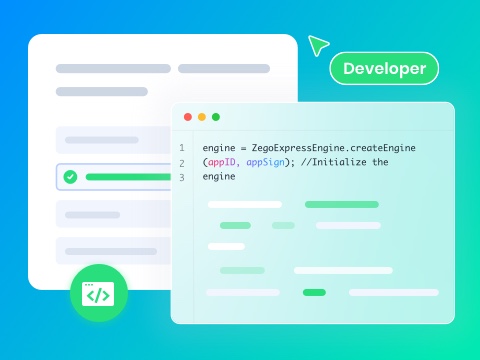
To create a versatile video recruitment platform, using ZEGOCLOUD as the base is ready since it can power real-time communication. It offers a strong API and SDK that supports ultra-low latency under 300ms to ensure smooth connection and lag-free performance. Additionally, it comes with other features like high-quality 4K video, screen share, and noise control for effortless and scalable recruitment.
Setup takes about 15 minutes, and it includes data protection features such as encryption and HIPAA support. Additionally, developers can use the cohosting SDK if they seek to create a large-scale interview platform where management is a priority. Above all, the dashboard offers call records, data insights, and live event tracking features. Hence, all these aspects give firms full control over interview flow and performance.
4. Key Advanced Features to Implement
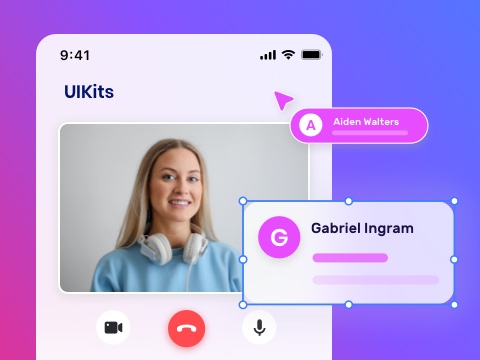
While integrating ZEGOCLOUD’s APIs or UIKits, the next goal is to add valuable features that improve the platform’s value. So, here are some fundamental features you can insert in your platform to make it compelling and versatile:
- Interview Scheduling: Links with calendar APIs to book and manage slots automatically.
- Recording & Storage: Uses AWS S3 or Google Cloud for safe video recording and access.
- AI Scoring: Employs AI models to judge facial cues, tone, and voice clarity.
- Customization: Adds brand logos, themes, and custom candidate paths.
- Real-Time Collaboration: Enables multiple evaluators to score candidates together through shared dashboards.
Thus, these additions create a more flexible, fair, and branded interview process.
5. Deployment and Scaling
After all features are in place, the final stage focuses on launch and growth. So, platforms can go live through Vercel or AWS Elastic Beanstalk for smooth and stable performance. Integration tools manage updates with ease, and live tracking systems monitor data use and interview results. Hence, this ensures reliable speed, consistent uptime, and a strong user experience as the platform expands.
How Much Does It Cost to Build a Video Interview Platform
When you are out to make your video interviewing platforms, you need to meet the budget needs. Hence, this section offers you the estimated cost of making your own video interview solution:
| Category | Low | Medium | High |
|---|---|---|---|
| Frontend UI /UX Design | $5,000 – 15,000 | $15,000 – 30,000 | $30,000 – 60,000 |
| Frontend Development (Web &/or Mobile) | $10,000 – 30,000 | $30,000 – 70,000 | $70,000 – 150,000+ |
| Backend Development & Architecture | $10,000 – 30,000 | $30,000 – 80,000 | $80,000 – 200,000+ |
| Video/Streaming Integration & Infrastructure | $5,000 – 20,000 | $20,000 – 50,000 | $50,000 – 150,000+ |
| Security, Compliance & Data Protection | $3,000 – 10,000 | $10,000 – 25,000 | $25,000 – 60,000+ |
| Third-Party Services & Licensing (APIs/SDKs/ Cloud) | $500-$5,000/month | $1,000-$10,000 /month | $5,000-$20,000+ /month |
| Testing, QA & Launch Support | $3,000 – 8,000 | $8,000 – 20,000 | $20,000 – 50,000+ |
| Maintenance & Annual Operations | ~10%-20% of initial build/year | Similar range but higher base | Similar, but on a larger scale |
| Estimated Total Build Cost | $30,000 – 80,000 | $80,000 – 150,000 | $150,000 – 300,000+ |
Future Trends of Video Interview Software
Many developers might not know this, but the future of video interview platforms is very promising. The global video interview software market shows steady growth with an expected annual rise of 11.1% from 2025 to 2032. This rise reflects strong demand across sectors such as technology, finance, education, and healthcare.
Additionally, by 2027, more than 70% of Fortune 500 firms are expected to use AI-based video tools to assess voice, tone, and facial cues. Besides, companies that adopt such tools have reported up to a 60% cut in hiring time and around a 30% boost in candidate satisfaction.
Conclusion
Summing up, video interview software helps companies save time and reduce hiring costs while reaching global talent easily. As remote hiring expands across industries, stable performance and low delay remain essential.
Therefore, this guide has offered you a detailed guide to develop your robust platform with all essential features. However, for dependable video quality and quick setup, businesses can rely on ZEGOCLOUD as the ideal choice.
FAQ
Q1: What is a video interview platform?
A video interview platform is an online solution that allows recruiters and candidates to conduct interviews remotely using real-time video, audio, and chat features. It may also include tools for recording, playback, and AI-based analysis.
Q2: How do I build a video interview platform from scratch?
Start by defining your target users (recruiters, HR teams, candidates), then design core features such as real-time video calls, recording, scheduling, and feedback systems. You can integrate ZEGOCLOUD’s video SDK to handle video and audio streaming efficiently.
Q3: What technologies are used to create a video interview platform?
Common technologies include WebRTC for real-time communication, React or Flutter for the frontend, Node.js or Python for the backend, and cloud SDKs like ZEGOCLOUD or Agora for low-latency video calls.
Q4: How much does it cost to build a video interview platform?
The cost depends on the complexity. A basic MVP might cost $5,000–$20,000, while a full-featured platform with AI analysis, recording, and integrations can exceed $50,000.
Q5: Can I build a video interview app without coding?
Yes, using no-code platforms like Bubble or Glide for UI and integrating ready-made APIs like ZEGOCLOUD for real-time video and chat functionalities.
Let’s Build APP Together
Start building with real-time video, voice & chat SDK for apps today!
