








As you embark on the audio production journey, understanding the term sample rate is essential to generating high-quality sounds. Whether you are an enthusiastic musician or a beginner, sampling rates will aid you in generating high-quality audio. That’s why this article uncovers possible details regarding audio sample rates to improve your sound recording experience.
What is the Sample Rate?
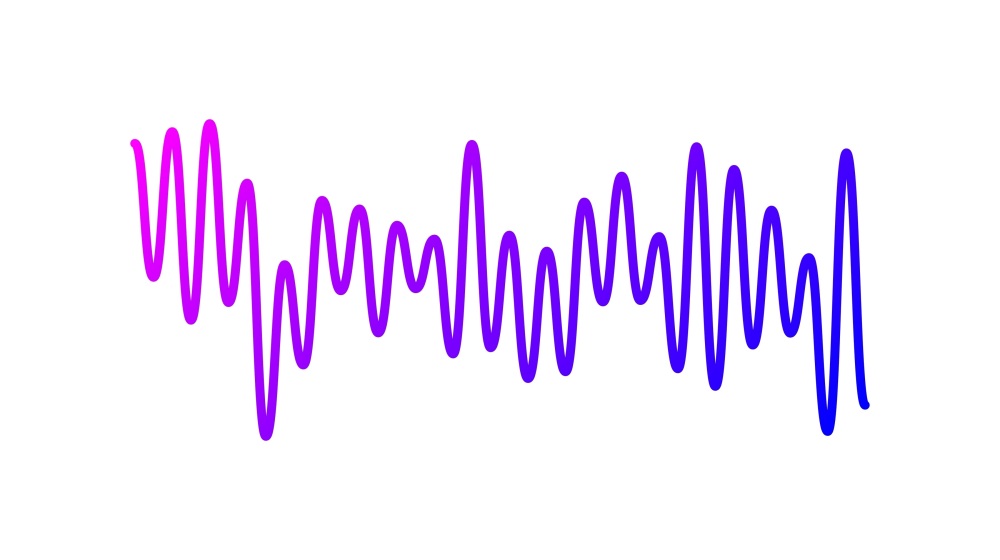
The sampling rate refers to how often analog audio is converted into digital form each second. It’s measured in Hertz, showing how many samples are taken in a given time. For example, a 44.1 kHz sample rate means the audio is captured 44,100 times per second.
Generally, a higher audio sampling rate results in clearer and more detailed sound. Simply put, the more samples of sound you have captured, the better the audio quality of your recordings.
What is a Bit Depth?
Since you know what sample rate is, let’s move to bit depth for a better understanding of sound recording. Bit depth is just like the number of colors in the painting; the more bits you have, the more vibrant and accurate the results will be. Simply, it determines the amount of information stored in the audio samples that are being recorded.
For example, if the bit depth is of 16 bits, it shows there are 65,536 different levels of sounds in the sample audio. On the other hand, a 24-bit file generally represents over 16 million levels for a better quality sound. So, the audio having more bit depth allows more details and dynamic range, ensuring sounds are produced clearly without any distortion.
Common Sample Rates
When recording the audio, experts recommend using high sample rates and bit depth for easily bouncing down the audio. Hence, we’ve listed some common sampling rates of audio, assisting you in choosing one that is compatible with your application.
| Sample Rate | Description |
|---|---|
| 44.1 kHz | 44.1 kHz is the standard sample rate for audio, especially for the CDs, because it captures optimal frequency. Ideal for music and audio recording, this sample rate is optimal for high-fidelity sound reproduction. |
| 48 kHz | In addition, 96 kHz is used to capture a broad range of frequencies to generate clear sounds. This sample rate is best for professional music recording and best-quality audio formats. |
| 96 kHz | Having high frequency, this sample rate is famous among professional studios and audiophiles. With this sample rate, one can easily record high-quality audio without having any distortion in the background. |
| 192 kHz | Having a high frequency, this sample rate is famous among professional studios and audiophiles. With this sample rate, one can easily record high-quality audio without having any distortion in the background. |
| 32 kHz | Having high frequency, this sample rate is famous among professional studios and audiophiles. With this sample rate, one can easily record high-quality audio without having any distortion in the background. |
What Sample Rate is Best for Recording?
Determining which sampling rate for audio suits best depends on the type of recording you are working on. For music production, using a sample rate of 48 kHz at 24 bits hits a sweet spot between sound quality and file size. If you are recording audio for CDs, 44.1 kHz at 16 bits is the best audio sample rate, as it is designed to do so.
Moreover, when you are working with video, we recommend you choose 48 kHz due to its industry compatibility and slightly higher audio fidelity. However, for simple daily life recordings, 32 kHz is good to go, offering you low-quality yet comprehensible audio.
Best Practices for Sample Rate
When working with video and audio, it is essential to choose settings that suit your project while maintaining sound quality. The following best practices can help you make informed decisions and achieve reliable results across different recording scenarios.
1. Match the Setting to the Distribution Medium
When choosing audio settings, always consider your final distribution format. As discussed earlier, 44.1 kHz is commonly used for CDs, while 48 kHz is better suited for video content. Selecting the right option helps ensure compatibility and good quality without unnecessary data usage.
2. Consider Processing Power
Higher values, such as 96 or 192 kHz, can capture more detail but require significantly more CPU power and storage. For most projects, 48 kHz provides a practical balance between quality and performance without placing extra strain on your system.
3. Use 24-bit Depth for Production
While the sampling frequency determines how often audio is captured, bit depth affects dynamic range. Recording at 24 bits offers more headroom, making it easier to manage noise during mixing and mastering, regardless of the chosen frequency.
4. Downsample Thoughtfully
Use high-quality downsampling algorithms when converting audio to lower settings for formats like MP3 or streaming platforms. This approach helps prevent artifacts and preserves important audio details during conversion.
5. Test on Different Devices
After finalizing your audio configuration, test playback on multiple devices, such as headphones and speakers. This step ensures the selected settings translate well across different listening environments.
How ZEGOCLOUD Handles Sample Rates in RTC?
While building communication apps, you can make use of APIs provided by ZEGOCLOUD to enhance the audio quality for better connectivity. Audio calling SDKs offered by this platform can handle sample rates in real-time communication by dynamically adjusting the audio quality based on network conditions.

Generally, it supports the most common sample rate, 48 kHz, to deliver a high-fidelity audio experience and ensure clear voice transmission. Plus, video and voice calling APIs integrated using ZEGOCLOUD will deliver ultra-low latency of 300ms for a smoother experience. By varying sample rate and latency values, it optimizes audio to balance quality and bandwidth usage, adapting as needed to minimize disruptions during live audio and video calling.
While using its audio calling feature, you can even utilize the 3D sound effects to create a spatial experience. Using this feature will help you adjust the volume of the sound source based on its perceived distance. All in all, ZEGOCLOUD stands out among the best platforms, which provides APIs and SDKs that streamline your audio calling experience with optimal sampling rate and low latency.
Future Trends in Sample Rates
Benefiting from advancements in audio technology, we can expect sampling rates of audio to evolve for higher-quality output. The following key trends will shape the future of sampling rate technology and their impact on digital audio.
- High-Resolution Audio Growth: As internet speeds improve and storage costs decrease, more platforms adopt high-resolution audio formats. So, this trend will require higher bit depths and sample rates for superior sound quality.
- Efficient Audio Processing: Advancements in audio processing technology are enabling the efficient use of bit depth and sample rate. Therefore, audio content creators can get high-quality sound with smaller file sizes, which could redefine industry standards.
- AI-Optimized Sampling: Artificial intelligence will undoubtedly play a role in optimizing sampling rates shortly. Moreover, we can expect AI algorithms to dynamically adjust the sampling rate in real-time based on the audio environment.
- Spatial Audio in High Sampling Rates: With increasing demand for immersive 3D audio, higher sampling rates will be critical to delivering more realistic soundscapes. So, enhanced detail captured by sampling rates like 96 kHz will make spatial cues more precise, essential for VR and AR.
Conclusion
To summarize, understanding sample rates and bit depth is crucial for anyone involved in audio production. From selecting the optimal sample rate for your project to staying current with emerging trends, mastering these concepts will enable you to produce high-quality sound. As technology advances, platforms like ZEGOCLOUD provide efficient APIs to optimize audio quality for audio and video calling.
Read more:
FAQ
Q1: Is 44.1 kHz or 48 kHz better?
Neither is universally better. 44.1 kHz is commonly used for music and consumer audio, while 48 kHz is widely used in video production, streaming, and professional audio workflows. The better choice depends on how and where the audio will be used.
Q2: Should I record at 48 kHz or 96 kHz?
Recording at 48 kHz is sufficient for most use cases, including voice, video, and live streaming. 96 kHz may be useful in high-end music production or sound design, but it increases file size and processing requirements without clear benefits for everyday applications.
Q3: What does sample rate mean?
Sample rate refers to how many times per second an audio signal is captured when converting sound into digital form. It is measured in Hertz (Hz). A higher sample rate captures more audio detail, but it also requires more storage and processing power.
Q4: Is 192000 a good sample rate?
192000 Hz (192 kHz) is considered a very high sample rate and is mainly used in specialized professional recording scenarios. For most users, including streaming, gaming, and voice applications, such a high sample rate offers little practical advantage over lower settings like 44.1 kHz or 48 kHz.
Let’s Build APP Together
Start building with real-time video, voice & chat SDK for apps today!
