






Imagine when you introduce a product, and clients purchase it immediately when you communicate with them online. This is facilitated by live selling, whereby sellers are able to display products, ask questions, and make deals in real time. Thus, this guide describes the principles of live selling, the tools required, and the techniques to attract viewers.
What is Live Selling?
Live selling is a technique in which brands and sellers display goods in a live video, and the audience can inquire and purchase with on-screen buttons without abandoning the stream. Therefore, this simplifies shopping, makes it more interactive, and more personal. Besides, it allows the customers to observe the product in operation and receive an immediate response in a live sale.
This approach is usually powered by social media such as Facebook Live, Instagram, TikTok, YouTube, or even a company site. It integrates demonstrations, Q&A, limited-time offers, and instant checkout into a single experience. Consequently, it tends to boost interaction and sales relative to the traditional product pages.
Why Businesses Are Investing in Live Selling?
Did you know that global live-streaming revenue rose from $1.24B in 2022 to $1.49B in 2023? The HubSpot report also expects this market to reach $416.84B by 2030. These and many other reasons listed below are key reasons why it’s worth investing in a reputable live selling platform:
1. Benefits of Brands
The HubSpot report says that nearly half of brands (46%) use live video on social media. Furthermore, 37% of viewers find live videos the most engaging content on their feeds.
2. Attracts GenZs
One in five U.S. adults (18-34) watch live streams several times daily. A site, Embyro says that people who watch live streams are 43% more likely to buy premium products. Not just that, 80% of users prefer watching live videos over reading blogs. Whereas 82% of consumers like engaging with brands via live streams rather than social media posts.
3. Explosive Revenue on Platform
Marketing LTB reports that TikTok Live leads U.S. live shopping with 29% participation. Furthermore, TikTok Shop surpassed Shein and Sephora in U.S. livestream sales in 2024, and U.S. live commerce sales were ~$50B in 2023. This is now expected to exceed 5% of e-commerce soon, and Europe’s live-streaming commerce market is ~$10B and growing.
Other than TikTok Live, Zara’s weekly Douyin live shows in China attract ~800,000 viewers per show. Moreover, on Whatnot, livestreamers broadcast over 175,000 hours weekly, with those hours exceeding QVC’s by 800x.
How Live Selling Works?
If you seek to know how this method works in live selling apps, this section has got you covered. So, review the listed work in detail and determine if it suits your business strategy and goals.
1. Setup: Platform, Products, and Tech
Initially, the seller chooses a platform, such as Facebook, Instagram, TikTok, YouTube, or a live-commerce application on their site, and connects it to the store or product list. Then, they select products to display, price, inventory, and promotions like discounts, packages, or time restrictions. As a result, they assemble rudimentary equipment, a camera or phone, a microphone, and lights, and optional templates or overlays of a live-selling app.
2. Going Live and Presenting Products
Once the setup is done, the host starts the live video at a decided time, and followers get notified or see it in their feed. Hence, the host shows each product, explains its features, and tells stories like how to use or style it. Products appear one by one, usually starting with cheaper items and then moving to expensive ones.
3. Real-Time Interaction and Trust-Building
During the live stream selling, the viewers ask questions about size, color, fit, or delivery in chat. Next, the host directly responds to them and occasionally calls them by name. The stream may feature polls, Emojis, reactions, pinned posts, or question and answer boxes to have viewers engaged. Therefore, this interaction will eliminate suspicions that prevent people from making purchases and will contribute to higher turnover than on ordinary pages.
4. Shoppable Overlays and Instant Checkout
Each product includes clickable cards, buttons, or links on-screen or below the video, such as “Buy now.” As a result, viewers can pick size or color, add to the cart, or buy immediately without leaving the video. Later, the system updates stock, prices, and orders in real time, displaying messages such as “Only X left.”
5. Urgency, Incentives, and Social Proof
To sell products faster, sellers use flash deals, limited stock warnings, or time-limited discounts to make viewers act quickly. Also, live likes, shares, purchase pop-ups, and chat messages provide proof that others are buying. To make the experience more reliable, some hosts ask viewers to comment on keywords like “SOLD” or send checkout links automatically.
6. Order Processing and Post-Live Sales
In the end, orders from the live stream go to the seller’s normal system for payment, packing, and shipping. After the live ends, recorded videos with product links still allow people to buy. Then, the seller reviews analytics such as viewers, watch time, clicks, add-to-carts, and sales. This is done to improve future live events and to identify which products or hosts perform best.
Benefits of Live Selling
Live streaming selling offers several advantages, from boosting sales to increasing customer engagement and loyalty. Hence, if you desire to know about a few of them, adhere to the given key points:
- Higher Conversion Rates: Live selling helps brands sell more because viewers can buy while watching the video. According to AWISEE, traditional e-commerce conversion rates are around 2%- 3%, while live shopping rates range from 9%-30%.
- Stronger Engagement and Trust: Viewers can ask questions, see demonstrations, and get live answers, which makes shopping feel more personal. Additionally, Firework states that live shopping events influence nearly 3 in 4 viewers (73%) to buy products.
- Higher Sales and Lower Return Rates: Furthermore, live format encourages people to buy immediately, increasing sales during and after the event. Viewers see how products work and get full details, returns drop, especially for clothes, cosmetics, or electronics. Moreover, Videeo says that traditional e-commerce sees returns on 21% of sales, while live commerce returns are just 1%.
- Better Customer Loyalty and Community: Regular live shows build a returning audience; viewers come back for the host, the community, and special deals, not just the products. Hence, this interaction builds loyal customers and a sense of community around the brand.
- Cost-Effective Marketing and Broader Reach: Going live on social media lets brands reach many people without expensive ads or TV channels. Hence, the Firework report states that during live shopping, consumers tend to purchase more, boosting average order value by 12-15%. Also, one session can be reused as short clips, ads, or social posts, spreading the message further and increasing impact.
Best 10 Live Selling Platforms for Retailers
When one decides to do live selling, the next thing that comes to mind is choosing the best live selling platforms. Thus, this section highlights 10 foremost options with detailed pros and cons for easier decision-making:
1. TikTok Shop
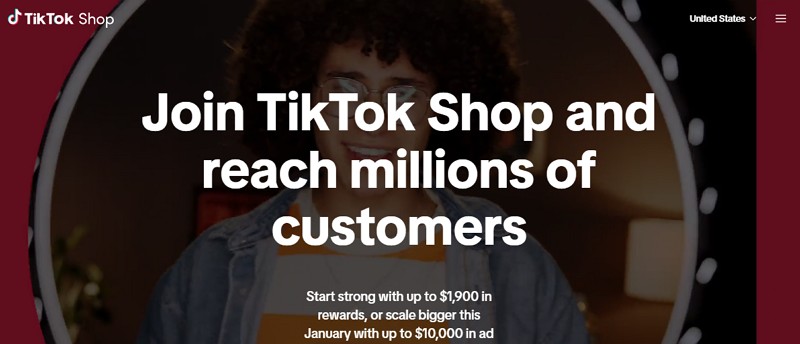
With TikTok Shop, brands can sell through Lives, short videos, or creator collaborations, all in one catalog. Additionally, retailers can either add the product link during live selling or add the Shop section page in the profile. Users can display the products and proofs, like comments and likes, which make products feel popular and trustworthy. Moreover, small retailers can join TikTok Shop without needing extra tech.
Pros
- Analytics show views, clicks, and conversions to improve strategy.
- Easy in-app shopping from video to checkout boosts sales.
Cons
- High competition often causes price wars and lower profit margins.
- Fees, commissions, and ads reduce profit if pricing is incorrect.
2. Amazon Live
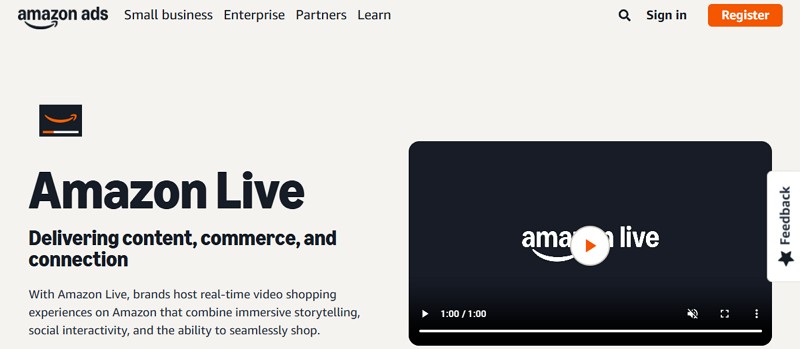
For live sale, Amazon Live is another best option since brands can host streams directly on Amazon to sell products. In addition, the host can answer questions and show tutorials, try-ons, or demos to ensure the product is worth buying. One can also use Amazon Live as part of a marketing plan and share live shopping videos across your Brand Store, Amazon.com/live, Prime Video, and Fire TV channels.
Pros
- Live chat, demos, and Q&A build trust and answer questions.
- Replays stay on pages, driving sales even after streams end.
Cons
- Amazon fees reduce margins despite better conversion from live streams.
- Limited brand control; Amazon controls layout, recommendations, and policies.
3. CommentSold
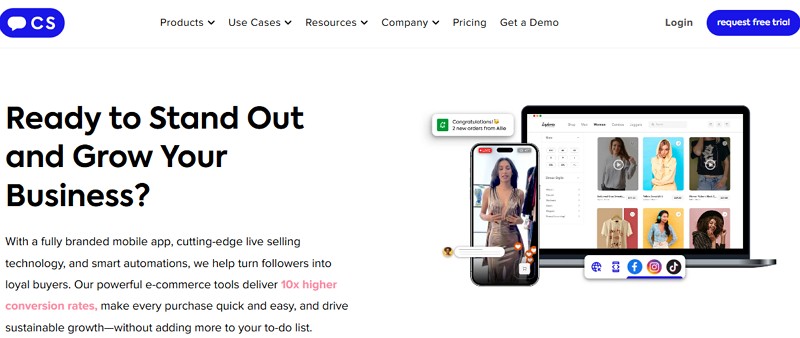
As the best live selling platform, CommentSold allows retailers to stream on multiple platforms, like Facebook, Instagram, TikTok, their webstore, or mobile app, all at once. During the stream, the retailer offers a one-click “Shop” link, while the hosts manage inventory, revenue, and viewer information. Additionally, the platform also includes a full online store or integrates with Shopify/WooCommerce, plus branded iOS and Android apps.
Pros
- Schedule posts, send alerts, and make shoppable videos.
- Inventory sync and dashboards make managing sales simple.
Cons
- The platform works best when fully used; it’s less ideal for DTC.
- Limited CRM; only handles orders and basic customer data.
4. Whatnot
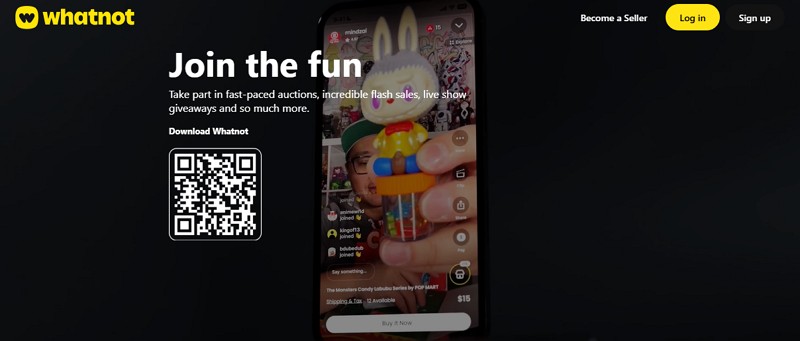
Among many best live selling platforms, Whatnot is a live-first marketplace that combines real-time auctions, community chat, and “Buy It Now” options. Furthermore, the sellers also keep listings active between live shows to keep sales going. On the contrary, live chats enable purchasers to ask questions interactively, creating a Twitch-like community. During live, hosts can easily manage viewers, sales stats, and moderation.
Pros
- App helps sellers schedule, manage inventory, and track payouts
- Focuses on collectibles, fashion, sneakers, and enthusiast markets.
Cons
- App glitches, bugs, or lag can disrupt shows and trust.
- Sellers must follow rules, get approval, and accept policy changes.
5. Bambuser
With the option to chat with experts during the live stream, Bambuser is another suitable option for live stream selling. This video-commerce platform lets brands host live or pre-recorded shoppable videos on their website, apps, and social channels. Hence, customers can chat and add products to their cart directly in the video player without downloading an app. Moreover, brands can stream on multiple platforms and schedule or go live.
Pros
- Integrates with e-commerce, CRM, and analytics to track and segment customers.
- Host videos on your site, keeping brand control and data.
Cons
- Pricing is premium, which may challenge small or early-stage brands.
- Setups and integrations take time, requiring internal team effort.
6. ShopShops
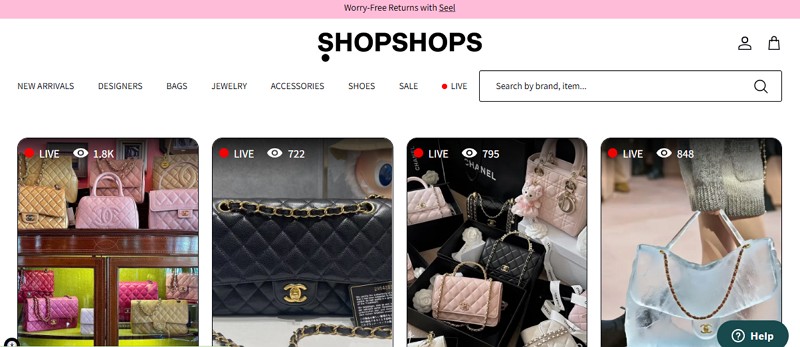
For live streaming selling, ShopShops is a live-shopping marketplace where hosts stream from real stores worldwide. Hosts show racks, shelves, and try-ons so shoppers see items in real-world settings. Additionally, live chats let viewers ask for close-ups, sizes, or styling tips, while replays keep content and sales active after the live event. Above all, this platform gives shoppers access to boutiques in other cities or countries through local hosts.
Pros
- Strong community with engaging hosts, repeat shows, and giveaways.
- Luxury and designer goods often have deals and event discounts.
Cons
- Seller quality varies; some items are misrepresented or have authenticity concerns.
- Shipping can be slow, causing frustration for time-sensitive orders.
7. Facebook Live Shopping
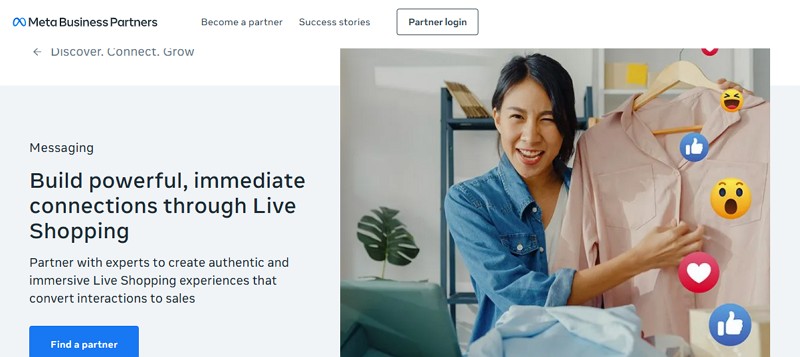
It’s another live selling platform that lets businesses pin items, link them to their shop, and interact with viewers in real-time. Users can feature products from their catalog, show prices, and provide links while streaming. Additionally, live chat allows questions, reactions, and demos to create a more engaging experience than static product pages. Besides, it helps reach people with live notifications sent to their Facebook or Messenger followers.
Pros
- Very low start-up cost; just a Page and a phone are needed.
- Builds community and relationships, ideal for small retailers and boutiques.
Cons
- Native checkout was reduced in some regions; businesses use product links or third-party integrations.
- Algorithm limits reach; audience size can be unpredictable without promotion.
8. Popshop Live
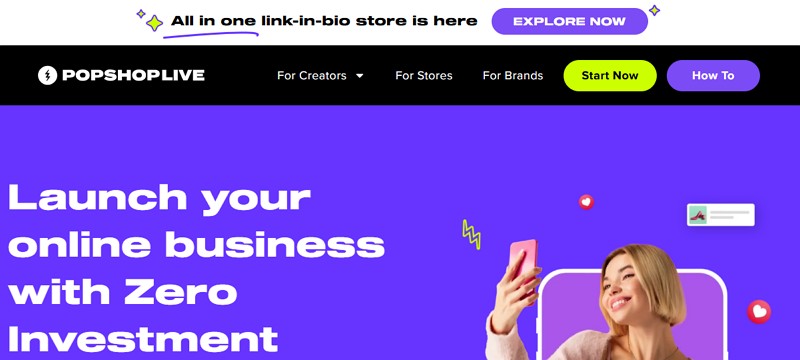
Popshop Live is a producer-hosted live shopping application where sellers conduct streams and auctions, and shoppable video clips within a mobile marketplace. In addition to live selling, vendors can display products, respond to questions, run giveaways, and invite guests to be co-hosts. Instead, consumers can scroll through short, shoppable videos and make purchases directly from the clip. There are auction clocks, bids, and games, which generate urgency and excitement.
Pros
- In-app checkout and managed logistics make buying simple.
- Sellers easily add items, manage inventory, orders, and track performance
Cons
- Customer support can be slow or unresponsive with issues.
- Sellers rely on Popshop’s algorithm, policies, and marketplace health.
9. Channelize.io
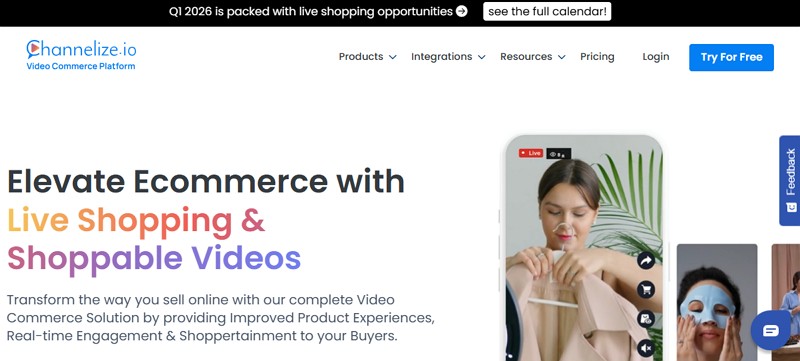
Channelize.io is a white-label video-commerce platform that adds live shopping and shoppable videos directly to your website and apps. In live sales, hosts can run interactive, low-latency live shows with product demos, live chat, reactions, giveaways, and polls. However, viewers can buy items instantly using product cards without leaving the stream. Furthermore, multistreaming lets the same show appear on Facebook, YouTube, Instagram, and Twitch.
Pros
- Pre-recorded videos are shoppable, with past shows available anytime.
- Integrates with Shopify, Magento, and WooCommerce, syncing inventory and carts.
Cons
- Setup takes time, embedding players, integrations, and show design.
- Minor UI/UX issues exist, like media controls and emojis.
10. QVC Live
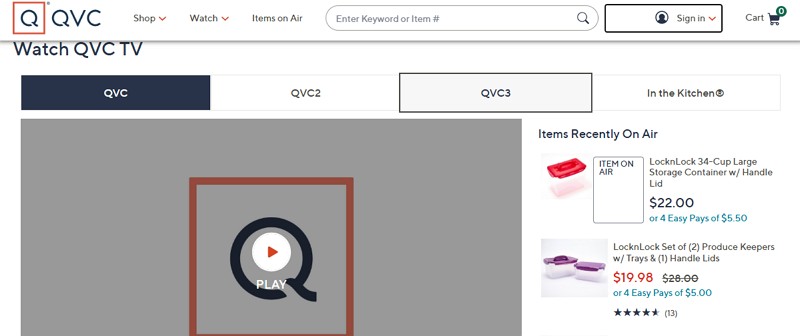
Among many live selling apps, QVC Live is a 24/7 video-commerce platform. Here, viewers watch live TV or livestreams and buy products instantly via web, mobile apps, or connected TV. Additionally, multiple channels stream continuously, with items on air linked to product pages for real-time purchase. Hosts and guests give product demos, and viewers can also scroll through recently shown items, see pricing, and view Easy Pay options.
Pros
- Live content shared on QVC+, HSN+, Amazon Freevee, and TikTok.
- Mobile apps offer HD streaming, synced carts, checkout, voice, and Zoom.
Cons
- Persuasive demos and time-limited offers can cause impulse buying.
- QVC vendors face strict inventory, packaging, and fulfillment rules.
Best Practices of Live Selling
For the best live streaming selling, here are some practices that can help boost engagement, drive sales, and build customer trust:
- Plan and Script Your Show: Get a clear outline of what you are going to do and begin with an introduction, credibility, main products, Q&A, give a recap, and a call to action. Moreover, make speaking notes about each product and verify inventory and prices prior to launching.
- Invest in Quality Audio and Setup: Have a good mic, clear lights, and a stable camera to display yourself and products effectively. In addition, do a test 10-15 minutes before going live to test your internet, equipment, and links.
- Drive Real Interaction, Not Just a Demo: Greet viewers, answer questions, and ask simple prompts to keep chat active. Therefore, use polls, mini-games, and live social proof to maintain attention and trust.
- Create Urgency and Clear CTAs: Offer live-only discounts, free shipping, or bonuses to encourage immediate purchases. Additionally, give clear instructions and layer urgency with countdowns, low stock, and limited quantities.
- Promote Before, Multistream, and Follow Up: Announce your live 24-48 hours ahead via social, email, or SMS to attract viewers. Also, multistream to numerous platforms and repurpose the replay into shoppable clips afterward.
How ZEGOCLOUD Supports Live Selling Platforms
ZEGOCLOUD provides the video, voice, and chat infrastructure that a live selling platform uses to run smooth shopping shows without building streaming tech from scratch. Its ultra-low-latency of 300ms video makes host-viewer interaction feel instant. Additionally, the live streaming SDK supports single or multi-host streams, co-hosting, and competitive events, so platforms can offer QVC-style shows or guest creators.
In addition, built-in chat, reactions, polls, and Q&A let viewers interact directly in the player, delivered via CDN. Thus, the global network of 500+ nodes with QoS algorithms ensures high video and audio quality even on weak connections. Extra features like 1:1 chat, virtual try-ons, and AR/AI filters boost confidence in purchases. Above all, 20+ built-in UIKits make development seamless for all types of users.
Conclusion
To sum up, this article has explained what live selling is and how it can be done. If one decides to pursue it, the 10 most popular selling platforms have been introduced in detail to sell products live. However, for businesses that want smooth, reliable, and interactive live shows without building technology from scratch, ZEGOCLOUD is a strong choice.
FAQ
Q1: What is the meaning of live selling?
Live selling is a digital commerce model where products are promoted and sold through real-time video broadcasts. Hosts demonstrate products, answer questions instantly, and interact with viewers, allowing customers to make purchase decisions during the live session.
Q2: How do live sales work?
Live sales work by combining live video streaming with real-time interaction and integrated checkout. A host presents products during a live session, viewers engage through chat or reactions, and purchases are completed directly within the platform or via embedded links.
Q3: What are some successful live selling examples?
Successful live selling examples include influencer-led product launches on social platforms, brand-owned live commerce channels, and marketplace-based live shopping events. Companies in beauty, fashion, electronics, and consumer goods often use live selling to boost engagement and conversion rates.
Q4: How is live shopping different from QVC?
Live shopping differs from QVC in its level of interactivity and digital integration. While QVC follows a one-way broadcast model, live shopping enables two-way communication, real-time audience feedback, personalized recommendations, and seamless in-app purchasing across multiple devices.
Let’s Build APP Together
Start building with real-time video, voice & chat SDK for apps today!
