






Easy-to-understand health information is essential now, especially for the elderly seeking guidance on their wellness. In this context, Healthline is widely recognized for providing clearer insights and improved readability of medical information. However, the growing shift reflects the need for platforms that feel less generic and more aligned with real-world health concerns. For clearer symptom interpretation or simpler medical explanations, explore the top Healthline alternatives in this guide.
10 Best Healthline.com Alternatives & Competitors
Healthline.com is familiar, but readers compare other medical websites before trusting one source. Therefore, these Healthline.com alternatives offer clinical sources, news, and wellness guidance for readers:
1. WebMD
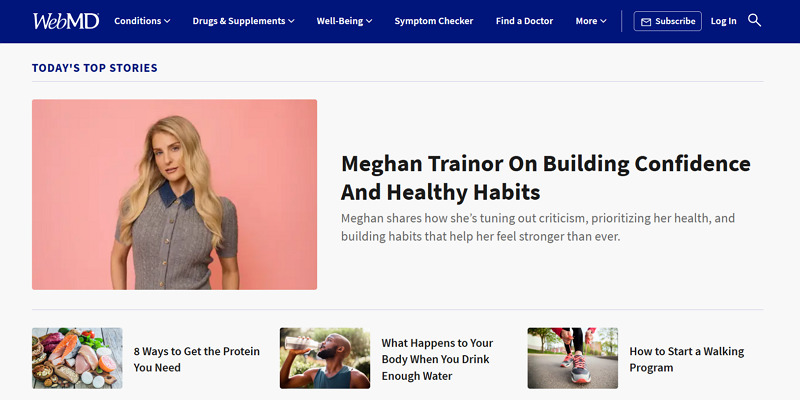
During stressful symptom searches, people often want fast tools, not another long article. WebMD suits readers comparing Healthline.com alternatives because it turns health search into an interactive self-check. However, it separates editorial content types, which matters when users scan medical pages. The site feels practical for people moving between possible causes, medicines, doctors, and saved health notes during everyday searches.
Key Features
- Checks medicine, supplements, and food combinations for possible unsafe interactions before use.
- Tracks ongoing symptoms and health conditions over time inside the mobile app.
- Saves conditions, drugs, doctors, hospitals, pharmacies, and healthy living articles securely for reference.
2. Medical News Today
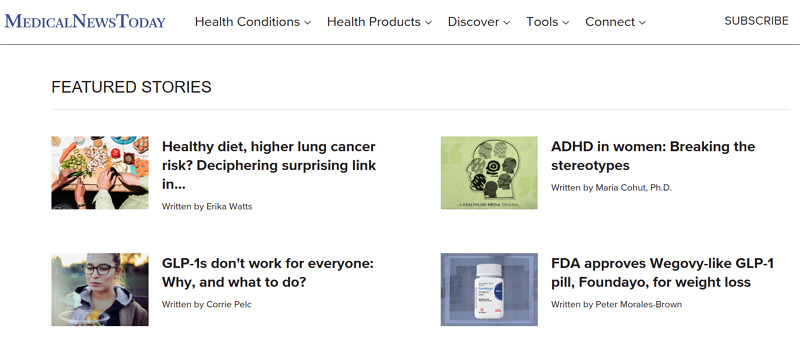
Medical News Today has a newsroom feel, so its pages suit readers following research shifts and public health updates. A Healthline competitor should not only explain conditions; it should track changing medical conversations. Meanwhile, MNT builds its editorial process around trust, journalistic standards, accuracy, empathy, accessibility, and updates. This gives the site a current, evidence-aware style for regular health reading.
Key Features
- Shows article dates for writing, medical review, fact-checking, and content updates clearly.
- Covers Bezzy communities for specific conditions, including breast cancer, migraine, and psoriasis.
- Tracks medical research, public health updates, treatments, and wellness trends for readers.
3. Mayo Clinic
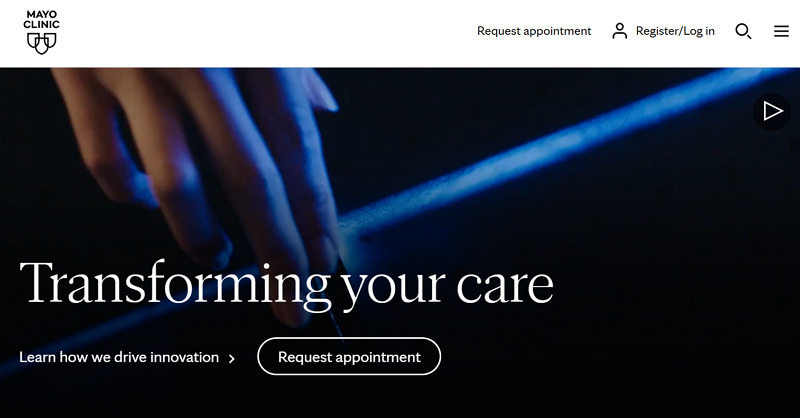
A hospital-backed source can be reassuring when symptoms require careful interpretation. Mayo Clinic appears among Healthline medical alternatives because its pages connect diseases, symptom paths, drugs, supplements, and patient education. Therefore, this site works well for structured research before a clinical visit. Its content often moves from signs and causes toward diagnosis, treatment, risk factors, and prevention before appointments online.
Key Features
- Lists first-aid guidance for burns, bites, bruises, blisters, and anaphylaxis emergencies online.
- Explains tests and procedures clearly, including preparation, risks, results, and process details.
- Let’s visitors search clinical trials by disease, treatment, or drug name online.
4. Cleveland Clinic

Cleveland Clinic gives health education a hospital-led but readable style. Among sites like Healthline, it works well for readers who want expert guidance beyond standard article reading. However, the platform also supports learning through podcasts, newsletters, and event updates. This makes it feel more active than a simple health article library.
Key Features
- Shares Health Essentials podcast episodes with practical advice from Cleveland Clinic experts directly.
- Offers free eNewsletters for ongoing wellness and health education updates by email.
- List upcoming events beside library resources for users seeking live learning options.
5. MedlinePlus
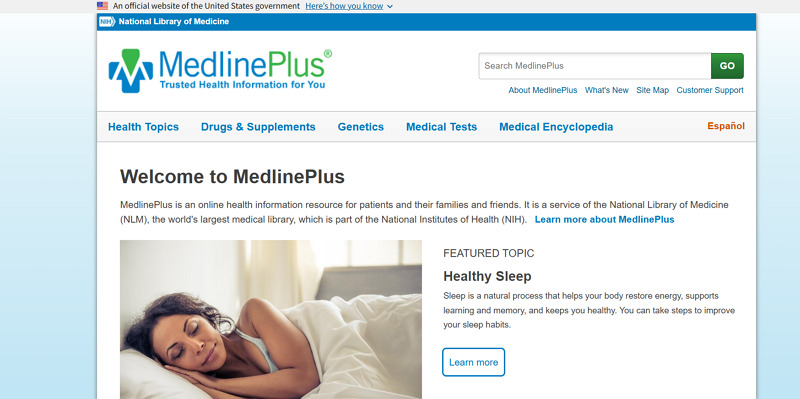
Commercial health pages can feel crowded when someone only wants plain public information. MedlinePlus belongs in Healthline.com alternatives because the National Library of Medicine runs it directly online. As a result, the site carries a calmer, library-style layout for patients, families, and caregivers. Health topics, medical tests, genetics, drugs, supplements, encyclopedia pages, and multilingual resources shape its structure for users.
Key Features
- Provides medical encyclopedia articles with images about diseases, injuries, tests, and surgeries.
- Arranges health information in multiple languages by language or topic for access.
- Explains genetics through conditions, genes, chromosomes, and human variation in health.
6. Verywell Health

Verywell Health takes a softer route through medical topics without dropping review standards. Articles often read warmer than hospital libraries, which matters for anxious readers. Still, a Healthline competitor needs more than tone, and Verywell names its editorial process, review board, fact-checking, and content labels. Its structure suits people who want clear explanations without harsh clinical wording during searches online.
Key Features
- Uses more than 150 board-certified physicians across its Medical Expert Board network.
- States that it does not publish AI-generated health articles on the site.
- Mark’s corrections and invites reader feedback when published content needs review publicly.
7. Everyday Health
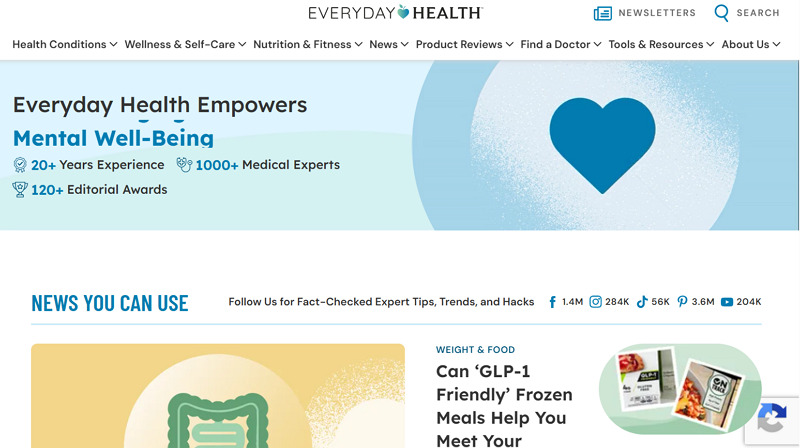
Some readers need health content that connects medical topics with daily routines, family life, and emotional well-being. Everyday Health uses a broader wellness lens, so it can suit people reviewing Healthline medical alternatives. In addition, its consumer group highlights real-world health information, resources, and connections to guided care. Instead of staying limited to diseases, the site links health choices with everyday life.
Key Features
- Provides interactive tools, advice, and care connections across online consumer health services.
- Works with healthcare providers and patient advocates on guided care programs.
- Serves consumer, provider, life-science, hospital, and health-system audiences through one group globally.
8. MedicineNet
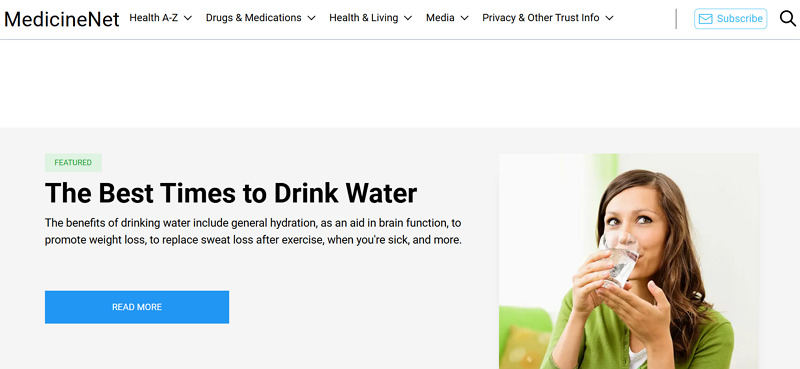
People who want direct medical wording may prefer a reference-style site over wellness storytelling. MedicineNet stands among sites like Healthline because doctors produce its consumer medical information. Moreover, it leans toward definitions, conditions, treatments, drug information, and general health topics. Dictionary entries, disease pages, treatment basics, and drug references shape its strongest content areas for quick online patient reading sessions.
Key Features
- Includes writers from more than seventy U.S. board-certified physicians in its network.
- Connects its doctors with Webster’s New World Medical Dictionary authorship across editions.
- There is a “Health & Living” section that answers everyday health and lifestyle questions.
9. GoodRX
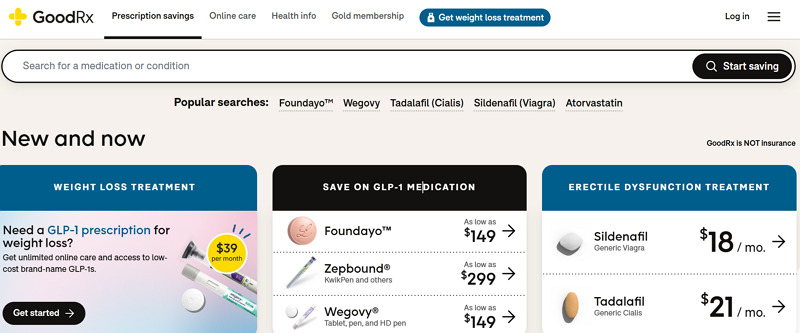
Another Healthline alternative lets you search for prescription drug prices from different pharmacies near you. GoodRx provides doctor‑reviewed comparison articles that explain the differences between similar medications, such as Wegovy vs Ozempic. Additionally, it publishes health and lifestyle content on topics such as diet, nutrition, and specific drug release.
Key Features
- The service offers subscription plans that include online visits with a U.S. healthcare professional.
- GoodRx lets you quickly search popular drugs and see common queries like Ozempic.
- You can easily review popular searches, making it easy to jump directly to common drugs.
10. NIH (National Institute of Health)

NIH is part of the U.S. Department of Health and Human Services and is the country’s main medical research agency. This site like Healthline is useful for people who want more technical, research-level information about how treatments are tested. Moreover, it runs education and awareness efforts like National DNA Day, helping teachers and the public learn more about genetics.
Key Features
- The site reports results from NIH‑supported clinical trials that show coordinated care strategies.
- This service highlights programs that aim to advance biomedical research and improve health.
- It has a “Health Information” section where you can search health topics like mental health and more.
How to Build a Healthline-like Platform
Building a platform like Healthline requires a strategic blend of medical accuracy. From content credibility to seamless navigation, the workflow below clearly demonstrates how to construct a powerful Healthline competitor:
1. Plan the Platform
Start by deciding what kind of platform you want to build: either only health content or a symptom checker. This decision shapes your budget, team, database design, and the level of medical review or privacy controls. Plus, pick your main audience and focus on their most common questions, such as “What is this condition?”
2. Build Trusted Content
A Healthline-like platform must focus on accurate, evidence-based articles written by humans and reviewed through a strong editorial process. Create appropriate categories such as diseases, symptoms, medicines, and mental health, then ensure every article is checked by editors. Moreover, add deeper guides, FAQs, and suggestion pages to help users not only understand the disease but also manage daily life.
3. Create Editorial Rules
Any Healthline alternative should have written rules for how content is created, checked, and updated. These rules cover things like using evidence-based sources, citing references, fact-checking, and updating when guideline changes. Furthermore, publish your editorial policy on the site to help users see that you take accuracy and independence seriously.
4. Design a Simple Navigation
People often arrive scared and with one question in mind, so your navigation must be simple and direct. Use a clear top menu with sections like Health Topics, Symptoms, Drugs, Wellness, and News. Plus, inside each section, create condition hubs that group all related articles, so users don’t have to jump around.
5. Support Doctor Care
Construct a professional health platform that should help users move from information to real medical care when needed. To do this, incorporate features such as provider directories, appointment-booking links, or telehealth integrations so users can contact online doctors. The system can also pass a summary of symptoms from the checker to the doctor, saving time in the consultation.
6. Protect User Data
If your platform handles user accounts, symptom checks, comments, or telehealth visits, you must treat this information as sensitive health data. That means using secure connections (HTTPS), strong logins, encrypted storage, role‑based access for staff, and clear privacy policies. In some countries, you may also need to meet health‑privacy laws (like HIPAA or similar), especially if you connect to clinics.
How ZEGOCLOUD Supports Real-Time Health Platforms
ZEGOCLOUD assists real-time Healthline.com alternatives by adding a smooth Video and Voice SDK to improve communication. The platform offers pre-built APIs that support one-on-one and group voice or video calls with ultra-low latency (under 600ms). Moreover, you can incorporate screen sharing or file sharing features in your chats to discuss reports or images with professionals. For healthcare use, it offers features that keep calls clear, like 4K video support.
Besides this, it facilitates high-quality audio with noise suppression, AI video enhancement (super-resolution), and global edge nodes that maintain quality. Additionally, its telehealth solution adds healthcare‑specific capabilities like multi‑party case conferences, online seminars, real‑time recording, and document sharing. Developers can integrate these APIs, so after reviewing queries, patients can jump into secure video visits for better consultation.
Conclusion
In conclusion, with the Healthline alternatives, you can meet the growing demand for an accurate, user-friendly digital health platform. All the competitors discussed above excel in delivering meaningful insights, navigation, and actionable guidance that support better health decisions. However, further enhancement requires ZEGOCLOUD to integrate its 20+ real-time communication SDKs for a more responsive digital healthcare experience.
FAQ
Q1: What are some alternatives to Healthline?
Popular alternatives include platforms like Mayo Clinic, WebMD, and Medical News Today. These sites offer reliable health information, expert-reviewed content, and a wide range of medical topics.
Q2: Is Healthline a reputable publication?
Yes, Healthline is generally considered a reputable health information platform. Its content is reviewed by medical professionals and is widely trusted by users worldwide.
Q3: What is the most reliable website for health information?
Trusted sources typically include Mayo Clinic, Cleveland Clinic, and government health sites like NIH. These platforms provide medically reviewed and evidence-based information.
Q4: How reliable is Healthline?
Healthline is considered reliable for general health education. However, it should not replace professional medical advice, especially for diagnosis or treatment decisions.
Let’s Build APP Together
Start building with real-time video, voice & chat SDK for apps today!
